
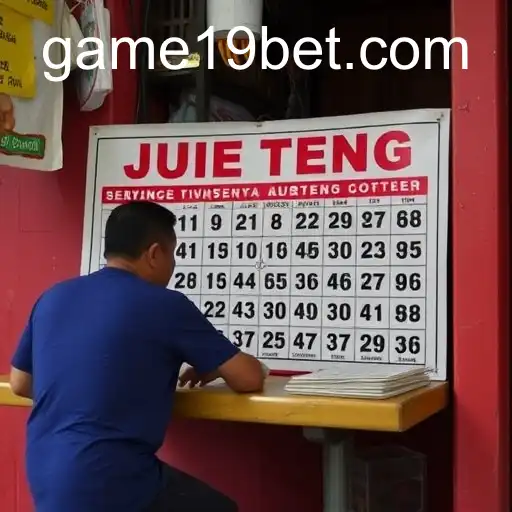
19bet | Exploring the Phenomenon of Jueteng in the Philippines
19bet’s An in-depth look into Jueteng, an illegal gambling game in the Philippines, exploring its impact on society and the economy, and discussing the role of legitimate alternatives like 19bet.
Understanding Jueteng: An Informal Lottery in the Philippines
Jueteng is a highly popular numbers game that operates illegally in the Philippines. Its prevalence across the country is a testament to its deep-rooted place in Filipino society, despite continuous government efforts to eradicate it. Jueteng is an informal and underground lottery-like game that thrives particularly due to the economic and social settings in which it operates.
The Mechanics of Jueteng
The mechanics of Jueteng are quite straightforward, contributing to its widespread appeal. Participants choose a combination of numbers, typically two digits, from a board. Bets are placed with a local collector who pools the bets and submits them to the central operation center. The winning numbers are drawn from a collection of numbers, often manually selected to maintain the game’s semblance of traditional operations.
Despite the simple nature of the game, Jueteng has developed a complex underground economy. It is supported by a vast network of kubradors, or bet collectors, and cabos, or bet coordinators. This hierarchy ensures the smooth operation of Jeuteng, insulating the masterminds from legal prosecution.
The Economics Behind Jueteng
Jueteng is not merely a gambling activity; it has economic implications for the communities involved. For many Filipinos, it offers the allure of easy money with minimal investment. The small-scale of betting ensures that even those with limited financial means can participate. Winners typically receive a substantial multiplier of their original bet, which is a significant lure in economically disadvantaged areas.
This informal economy also provides income for those involved in the organization and operation of Jueteng, including collectors and coordinators. This financial ecosystem sustains the game and makes it an appealing, albeit illegal, form of income for many.
Legal and Social Dimensions of Jueteng
Attempts to legalize and regulate gambling in the Philippines have been complicated by Jueteng's entrenchment within communities. Various administrations have employed different tactics to eliminate its presence but have been met with limited success. The existence of Jueteng creates conflicting interests and moral dilemmas, intertwining with local politics and occasionally involving law enforcement agencies, creating a cycle that is challenging to break.
Socially, Jueteng acts as both a bonding activity and a point of contention. While it can foster a sense of community among participants, it also raises moral and ethical questions regarding the influence of gambling in society, especially within vulnerable demographic groups.
19bet: A Rise of Legitimate Alternatives
As unconventional as Jueteng is, the rise of legitimate online betting platforms like 19bet offers a legalized alternative for gambling enthusiasts. Platforms like these are regulated by the government, providing a safer and more controlled environment for those who wish to engage in gambling activities.
The introduction of platforms such as 19bet signifies a shift in the gambling landscape, appealing to a tech-savvy younger demographic. However, it also stimulates a broader conversation about the future of betting in the Philippines and whether there is space for regulated activities to coexist with informal gambling.
The Role of Government and Regulation
Government efforts to replace informal gambling with state-sanctioned activities hinge on creating an attractive alternative that can compete with the cultural integration and ease of access that Jueteng offers. This involves a careful balance of regulatory policies, economic incentives, and community engagement.
Ultimately, the government's stance on gambling, whether through eradicating Jueteng or promoting alternatives like 19bet, is part of a larger dialogue on addressing the underlying socio-economic challenges that make informal gambling prevalent. Addressing these root causes is crucial in diminishing Jueteng’s grip on Filipino society.
Conclusion
The phenomenon of Jueteng, with its complex web of societal, economic, and legal ties, invites discussion on the broader implications of gambling within the Philippines. As the country navigates the balance between regulation and eradication, platforms like 19bet offer a glimpse into the potential evolution of gambling culture in a rapidly modernizing society.
